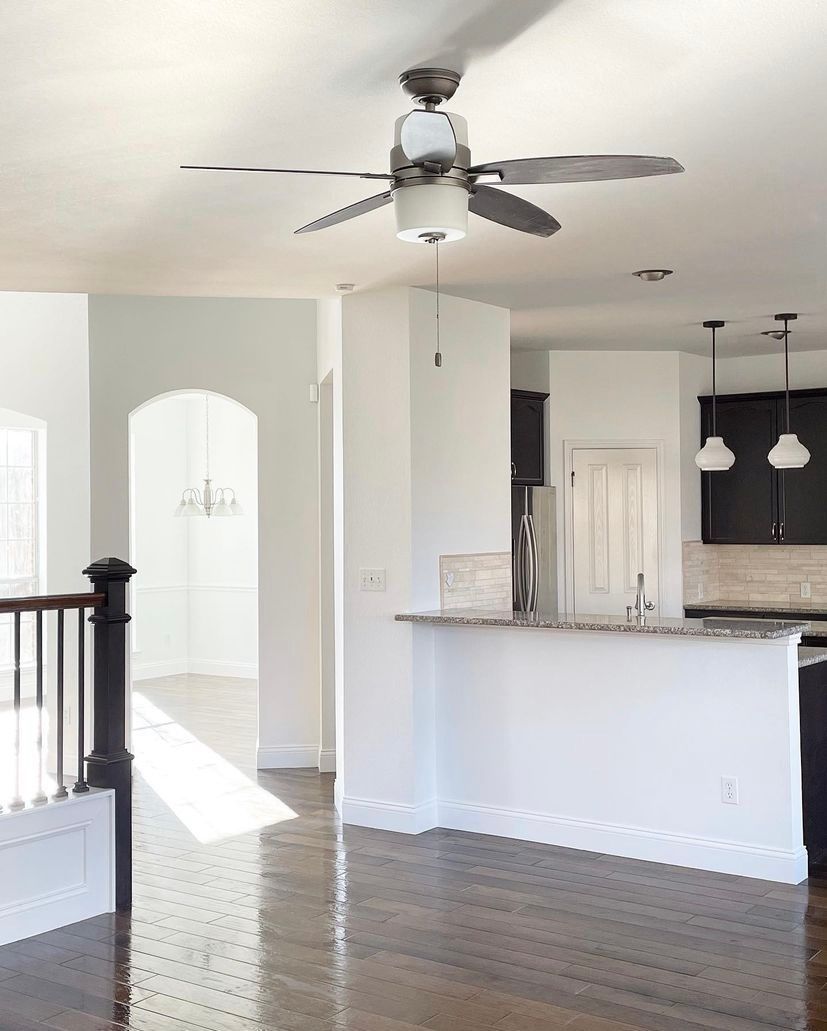
Choosing the Right Paint: A Guide to Low-VOC Options
Painting your space is more than just an aesthetic choice—it's an investment in health and sustainability. Low-VOC paints have become a preferred option for environmentally conscious homeowners and businesses alike. But what makes these paints stand out, and how do you choose the right one for your project?
Understanding Low-VOC Paints
What Are VOCs?
Volatile Organic Compounds (VOCs) are chemicals that evaporate at room temperature and can contribute to air pollution and health problems. Traditional paints often contain high levels of VOCs, which can linger in the air long after the paint has dried.
Low-VOC Alternatives
Low-VOC paints significantly reduce the number of harmful emissions, making them a safer choice for indoor environments. These paints maintain quality while prioritizing health and environmental well-being.
Key Features of Low-VOC Paints
Reduced Odor
One of the most immediate benefits of low-VOC paints is the reduced odor. Traditional paints can leave a strong smell that lasts for days, but low-VOC options ensure a fresher atmosphere, allowing you to enjoy your newly painted space without the discomfort.
Quick-Drying and Durable
Manufacturers have improved the formulations of low-VOC paints to ensure they dry quickly and hold up well over time. This means you don't have to compromise on performance for the sake of health.
Benefits of Choosing Low-VOC Paints
Healthier Indoor Air Quality
With fewer chemicals released into the air, low-VOC paints contribute to healthier indoor air quality, reducing the risk of respiratory issues and allergic reactions. This is particularly beneficial for homes with children, pets, or individuals with sensitivities.
Eco-Friendly Option
By choosing low-VOC paints, you are participating in a global effort to reduce air pollution and environmental damage. These paints are often produced with sustainable practices in mind, aligning with green building standards.
Contrast with Traditional Paints
While traditional paints offer a wide range of colors and finishes, their high VOC content poses significant health risks and environmental concerns. Low-VOC paints provide a safer alternative without sacrificing quality or variety. Many companies now offer extensive palettes and finishes, providing options that rival their high-VOC counterparts.
Important Considerations
Check Certifications
When selecting low-VOC paints, look for certifications from reputable organizations. Certifications like GreenGuard or Green Seal ensure that the paint meets stringent environmental and health standards.
Assess Your Space
Consider the specific needs of your space. Areas with poor ventilation may particularly benefit from low-VOC paints. Additionally, spaces like bedrooms, nurseries, and offices—where you spend considerable time—will benefit from the healthier air quality these paints provide.
Selecting the Perfect Low-VOC Paint
While understanding the basics is crucial, consulting with professional painters can provide insights tailored to your unique needs. They can suggest the best products based on your space, preferred finishes, and environmental considerations.
Taking the Leap Toward Healthier Spaces
Choosing low-VOC paints is a step toward creating healthier, more sustainable spaces that benefit not just you but also the environment. While the initial choice might take some consideration, the long-term benefits in terms of health, quality, and environmental impact make it worthwhile.
Whether you're planning a full renovation or a simple room refresh, the right paint can make all the difference. Contact Borders Painting today, who can guide you through the process with expertise and personalized advice.
Share This Blog